
Indoor Air Quality
5 guidesYour heating and cooling system moves every cubic foot of air in the house several times an hour, so it shapes what you breathe as much as how warm or cool the rooms feel.
See every guide
What this covers
- Humidity control: whole house dehumidifiers for damp homes and humidifiers for dry winter air
- Why the EPA's 30 to 50 percent humidity range matters, and how to measure yours with a hygrometer before buying equipment
- Air filters and MERV ratings, and why the highest rating is not always right for your blower
- Ducted air cleaners, purifiers, and UV lights: what each one does and what the evidence supports
- Basements and crawl spaces, where moisture problems usually start
- Carbon monoxide alarms and why every home with fuel-burning equipment needs them on each level
All indoor air quality guides
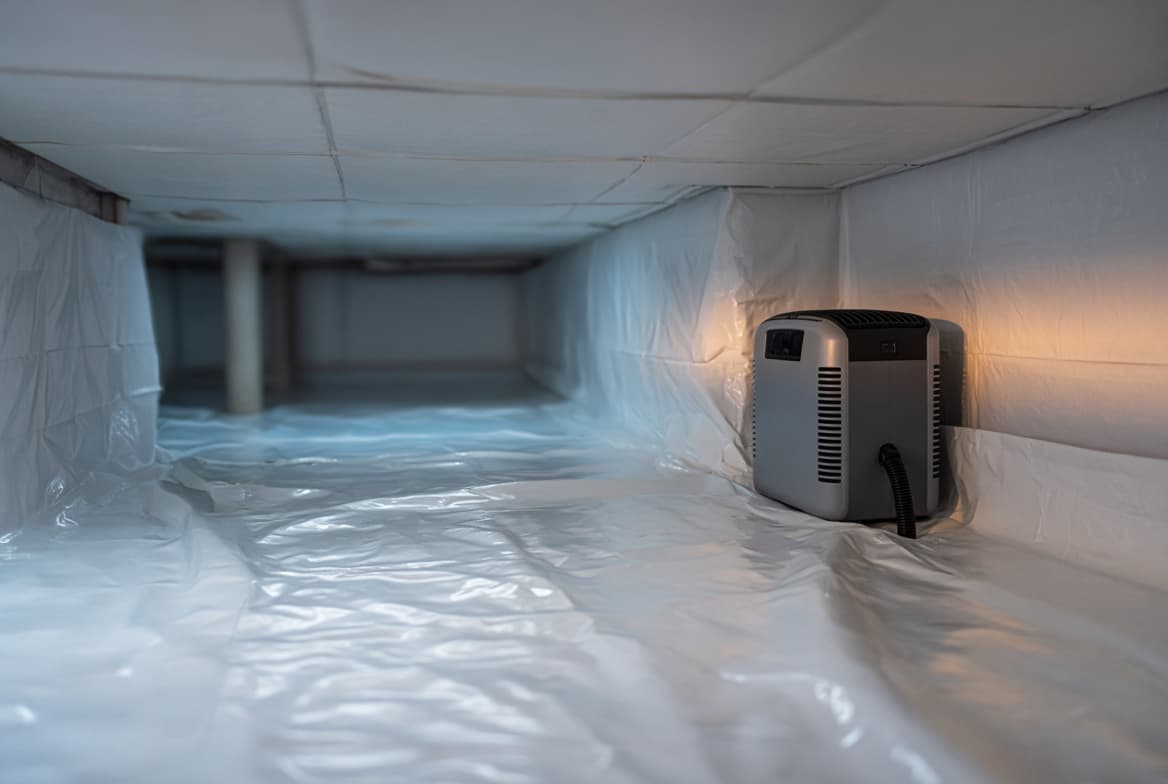 Indoor Air Quality · 9 minCrawl Space Dehumidifier Guide: What to Fix First, How to Size It, and What to Look ForIndoor Air Quality · 9 minUV Light for HVAC: What Coil Lamps Do, How REME HALO Differs, and What the Evidence ShowsIndoor Air Quality · 9 minWhole House Air Purifier Guide: Types, What They Remove, and What to Ask Before InstallingIndoor Air Quality · 9 minWhole House Humidifier Guide: Bypass vs Fan-Powered vs Steam, Sizing, and CostIndoor Air Quality · 13 minWhole House Dehumidifier vs Portable: Sizing, Cost, and Which Your Home Needs
About this topic
This hub covers the equipment and habits that control indoor air quality through the HVAC system: whole house dehumidifiers and humidifiers, air filters and MERV ratings, air cleaners and purifiers that mount in the ductwork, UV lights for the coil, and ventilation that brings in fresh air without wrecking efficiency. Humidity is the place to start, because it drives most of the problems homeowners notice. The EPA recommends keeping indoor relative humidity between 30 and 50 percent and below 60 percent at most. Above that range, mold, dust mites, and musty odors take hold. Below it, winter air dries out skin, sinuses, and wood floors. A cheap digital hygrometer tells you which side of the line you are on before you buy anything. Filtration comes next. A higher MERV filter catches finer particles, but it also adds resistance, so match the rating to what your blower and return ducts can handle. Add-on equipment such as a ducted dehumidifier or a whole house air cleaner can solve real problems, but some products are sold on claims that outrun the evidence. The guides here explain what each option does, how to size it, what it costs to run, and how to tell whether a recommendation fits your house or just the sales script.
Indoor Air Quality questions
What humidity level should I keep my house at?
Aim for 30 to 50 percent relative humidity, which is the range the EPA recommends, and keep it below 60 percent so mold and dust mites cannot take hold. In cold climates, the upper part of that range can cause condensation on windows in winter, so many homeowners run closer to 30 to 40 percent when it is very cold outside. Measure with a digital hygrometer in a few rooms over several days before deciding whether you need a dehumidifier or a humidifier.
Does my HVAC system clean the air?
Only as well as its filter. The furnace or air handler pulls air through the filter on every cycle, so a properly fitted filter with a suitable MERV rating catches dust, pollen, and pet dander. It does nothing about humidity, odors, or gases on its own. A central AC removes some moisture while it runs, but in mild or very humid weather it often cannot keep humidity in range, which is where a dedicated dehumidifier earns its place.
Is a higher MERV filter always better?
No. A higher MERV filter traps smaller particles, but it also restricts airflow more, especially in a thin one-inch frame. On a system with a weak blower or undersized return ducts, that restriction can reduce comfort, freeze an AC coil, or overheat a furnace. MERV 8 to 11 suits most homes, and MERV 13 works well when the system was designed for it or uses a deeper media filter cabinet. Ask a technician to check static pressure before moving up.